
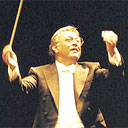
It is getting on for 21 years since Zubin Mehta introduced the concert-going world to the violinist Midori, then aged 11. Midori has grown up a lot since then; so has Mehta, who these days is hardly renowned for his risk-taking. But the London Symphony Orchestra reunited them for this concert, dominated by two great, yet vastly different violin concertos.
First, though, came the overture, Beethoven's Leonora No 3, and proof that the chief attraction at any LSO concert is always the orchestra itself. The opening was full of subtle instrumental colour, especially from the strings and the pair of lilting bassoons. Mehta chose a ponderous tempo for this section, but created a real buzz of excitement at the beginning of the Allegro, bringing the piece to a jubilant close.
The first of the concertos, Mozart's Third, in G, brought out the best in Midori, who can be an aggressive player but was here lulled into long, graceful, carefully sculpted phrases. All it lacked was the wit that would have made the final Rondo really fizz.
Elgar's Violin Concerto marked another return to a familiar pairing, this time between orchestra and score: it was the LSO that famously recorded the work under the composer's baton in the early 1930s, with the teenage Yehudi Menuhin as soloist.
Symphonic in scale, it is shot through with a sense of unfulfilled longing and mystery. Elgar inscribed it with a Spanish quotation: "Here is enshrined the soul of", followed by five enigmatic dots - all very well until you consider that most of the women in his life had five-letter names, as, indeed, did the composer.
But those five dots do not stand for Zubin or Mehta. This is an elusive work, but what it needs is a conductor more responsive to its quicksilver mood changes, more ready, in the first movement especially, to be swept up in its impassioned ebb and flow. At times you had to wonder how much Mehta really believed in the work: the second movement lacked magic and only in the finale did he seem willing to spring surprises on the audience.
Midori, too, often put her head down and slipped back into the laboured manner of attack that can sabotage her playing. The overall result was a solid, safe performance. But whoever is enshrined within the work, their soul was sadly underrepresented.
