
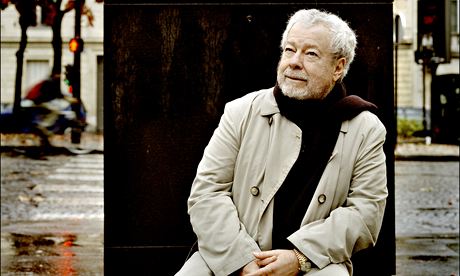
Few pianists alive convey the sheer joy and exhilaration of being masters of their craft more vividly and uncomplicatedly than Nelson Freire. Perhaps only his old friend and regular duo partner Martha Argerich is Freire's equal today as a player for whom dazzling technique is just a means to a musical end, never something to be flaunted for its own sake.
Argerich, alas, no longer gives solo recitals; Freire, thankfully, still does, though his London appearances are rare enough to make every moment of them precious. Yet impossible London traffic ensured that I missed the opening work in this one – Beethoven's Andante Favori, the movement originally intended as the slow movement to the Waldstein Sonata. Here it formed the prelude to the last of his piano sonatas, the C minor Op 111, in which all the qualities one associates with Beethoven – the lack of unnecessary grandstanding or fussy point-making, with an unfaltering grasp of the musical structure – combined with textures that are always crisply transparent. It was not perhaps the most searching or profound account of this music, but it was, as always with Freire, a totally honest and direct response.
The sequence after the interval, though, was peerless. A Debussy group – a mercurial Les Collines d'Anacapri from the first book of Preludes, a languorous La Soirée dans Grenade from Estampes, and a flickering, glittering Poissons d'Or from the second set of Images – formed a sharply etched set of musical postcards, while two of Rachmaninov's Op 32 Preludes seemed more potent for having all traces of romantic excess stripped away. Finally in Chopin, Freire framed a melting account of the Op 57 Berceuse with the fourth Ballade and the A flat Polonaise Op 53, the first of them controlled with astonishing clarity and a single-minded sense of purpose, the titanic polonaise fiercely, implacably wrought, and every technical challenge met with a minimum of fuss. Exceptional piano playing.
