
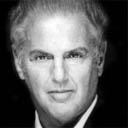
The First Symphony followed the Third in this, the second of Daniel Barenboim's two Brahms concerts with the Staatskapelle Berlin. Not the obvious order; but the elemental surge from out of nowhere that launches the Third proved a fantastic concert opener, and the finale of the First, with its dramatic introduction and unstoppable, anthem-like theme, was an epic way to end.
The performances were memorable - but for being interesting rather than definitive. Barenboim seemed determined to turn established notions about performing this music on their heads. In the Third Symphony especially there was a sense that he was experimenting, and not all the results added up.
The first movement was straightforward. The mellow clarinet solo came over beautifully, and when the cellos and violas angrily took up the theme, they were whipped into a passionate frenzy. But the middle two movements suffered. In the Andante, Barenboim manipulated the tempo to match the smallest change of mood, and the Allegretto's main theme picked up speed halfway through in a way that sounded exaggerated. The music still flowed, but it lost rhythmic momentum. So the whole symphony came across as a series of episodes rather than as a composite whole; the hushed return of the opening material in the fourth movement's final bars went almost unnoticed.
The First Symphony was far more satisfying. The orchestral playing was slightly messy, but intermittently glorious. Barenboim still seemed interested in the music's moments of weirdness, in making it sound, well, less Brahmsian. While the Second Symphony the night before had reportedly conjured up echoes of Bach and Schoenberg, here we had eerie brass passages above misty strings that could have leapt straight from a Sibelius symphony.
Barenboim was less inclined to pull the tempos around and more concerned with the orchestra's sonorities, drawing out from the strings in the Andante an intensity we hadn't previously heard. This time, the Allegretto had a bubbling sense of excitement until its calm relaxation towards the end, and the finale was a joyful, sweeping culmination. Barenboim had waited for absolute silence before commencing this movement; by the final chord he was moved to shout himself.
